
Behind kitchen and bath walls
Slow drips from supply lines, drains and shower valves are the most common indoor cause. They can run for months before anything shows on the other side.
Hidden mold
Most mold that matters isn't the kind you can see. It grows inside wall cavities, under flooring and in attics, and it gives itself away through smell, stains and changes to the surfaces around it.
The clearest sign of hidden mold is a musty, earthy smell that stays in one room or gets stronger when a cabinet or closet is opened. Close behind are water stains that grow or come back, paint that bubbles or peels, baseboards or trim that swell, and a leak you know about that was never fully dried. Any one of these points to moisture somewhere it shouldn't be, and mold follows moisture.
None of these signs proves there is mold. They tell you where to look. Finding out what is actually behind the surface is the job of a mold inspection, which traces the moisture and checks the cavities it has reached.
Active mold growth gives off a distinct smell, often described as damp cardboard or an old basement. If the smell is strongest near one wall, under a sink, inside a closet, or when the AC first kicks on, that location is your first clue. People who live in a home can stop noticing it, so pay attention to what visitors say, or notice it yourself after a few days away.
Yellow, brown or gray rings on ceilings and walls mean water reached that spot. A stain that was painted over and came back means the material behind it stayed wet or got wet again.
Mold needs moisture, something to feed on, and time. Drywall paper, wood framing, insulation and carpet backing are all food. So the question is always where water collects and stays.
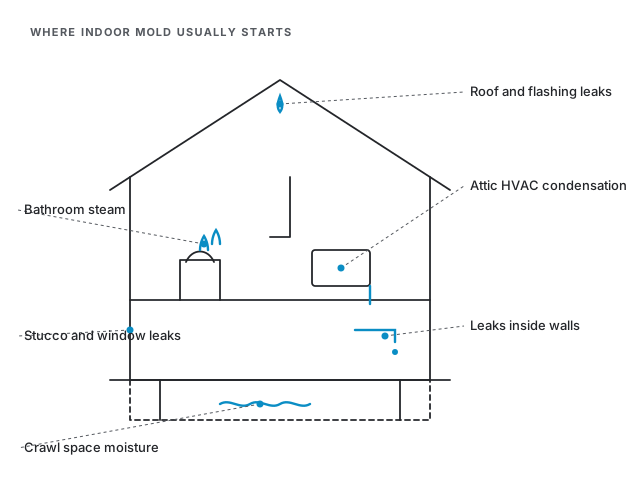
Slow drips from supply lines, drains and shower valves are the most common indoor cause. They can run for months before anything shows on the other side.
Roof leaks during winter storms and AC condensate lines or ducts running through a hot attic both put water where no one looks.
Many older Los Angeles homes sit on raised foundations. Damp soil, poor venting or a leaking drain line under the house can feed growth on joists and subfloor.
In apartments and condos with stacked plumbing, a leak from the unit above or next door can soak a wall you have no reason to suspect.
The climate here is mostly dry, which lulls people into thinking mold isn't a local problem. But the winter rainy season brings occasional heavy storms that find every weak spot in a roof, window or stucco wall. Flat and low-slope roofs on mid-century and Spanish-style homes are especially prone to slow leaks. Stucco can hold moisture and hide it, so a wall can be wet inside while the outside looks fine.
Near the coast, the marine layer keeps humidity higher, and closets and bathrooms on exterior walls can stay damp. Inland valleys are drier, but AC condensation in attics and ducts is a steady source during the hot months. If your AC smells musty when it starts, the HVAC and duct system may be the place to look.
Check under sinks, around toilets, behind the washer, at the water heater and in the attic after rain. A leak you can find and fix is the most useful thing you can do.
Cutting into a moldy cavity without containment can spread spores through the house. If you suspect growth behind drywall, leave it closed until it can be opened safely.
Run a fan or dehumidifier and keep the room aired out while you arrange an inspection.
A moisture investigation with meters and, where useful, thermal imaging shows how far the water has traveled. If the damage traces back to a known leak, our page on mold after water damage covers what usually follows.
The EPA notes that mold can trigger allergy and asthma symptoms in some people. If anyone in the home has health concerns, talk to a doctor. For the house itself, call us at (424) 479-7915 any time of day.
Seeing or smelling mold? Call and describe what you're dealing with. We'll tell you what it likely means and arrange an inspection. Phone answered 24/7.
Dealing with mold right now?
If this guide sounds like what's happening in your home or building, call us and we'll talk it through. You can also read how we handle mold inspection.
Phone answered 24 hours a day, 7 days a week