
Mold inspection · testing · removal
Mold Remediation Los Angeles Experts
We find where the moisture is coming from, seal off the affected area, remove what's damaged and verify the space before it goes back to normal. Homes, condos, rentals and commercial buildings across Los Angeles.
Phone answered 24 hours a day, 7 days a week.
Call us if you're seeing
- Spots on walls or ceilings that keep coming back
- A musty smell with no visible source
- Mold after a roof leak, pipe leak or flood
- Growth in the attic, crawl space or air vents
Source firstWe find and stop the moisture
Contained workPoly walls and negative air
HEPA filtrationSpores captured, not spread
Verified finishChecked before rebuild
Mold services in Los Angeles
From a first look at a suspicious stain to full containment and removal. Each page explains the process, the options and what affects the cost.
Problem areas: attic mold, bathroom and shower mold, HVAC and duct mold and crawl space mold.
How remediation works
Five steps, in the right order
Cleaning mold without fixing the moisture, or tearing out drywall without containment, is how a small problem becomes a whole-house one.
Inspect
We look for the moisture source and map how far the growth goes, using moisture readings, not guesswork.
Contain
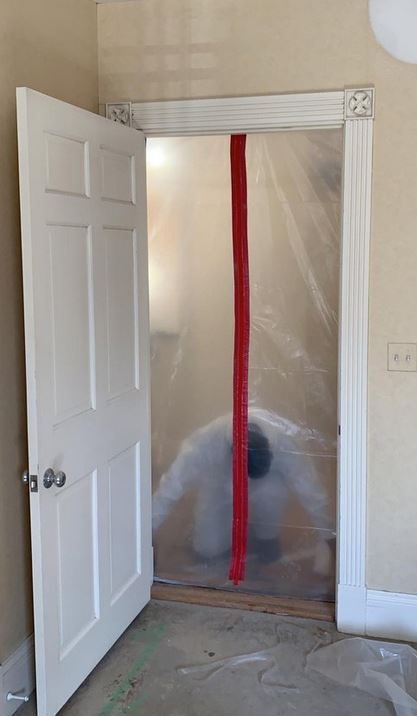
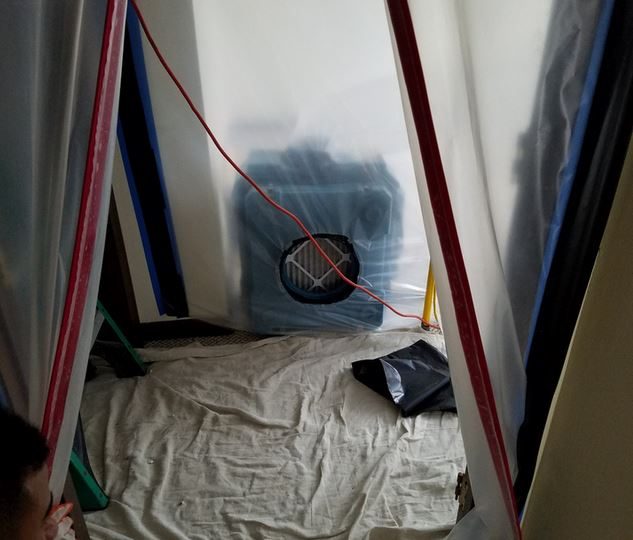
The work area is sealed with poly sheeting and a zipper door and kept under negative air pressure.
Remove
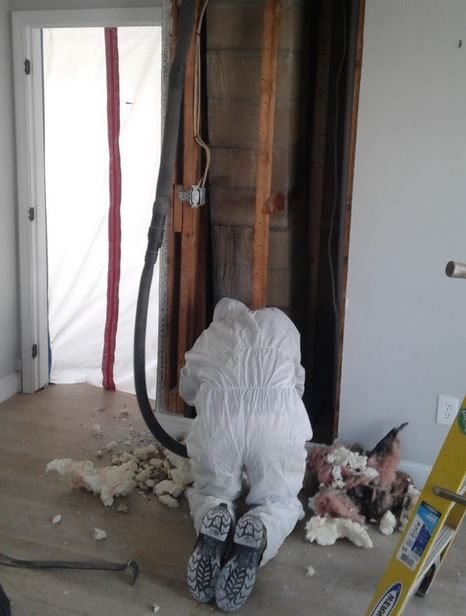
Damaged porous materials such as drywall and insulation are cut out, bagged and taken away.
Clean and dry
Remaining surfaces are HEPA-vacuumed and cleaned, and the structure is dried out.
Verify
The area is checked, and tested if required, before walls are closed up and rebuilt.
Los Angeles buildings
Where we find mold in Los Angeles
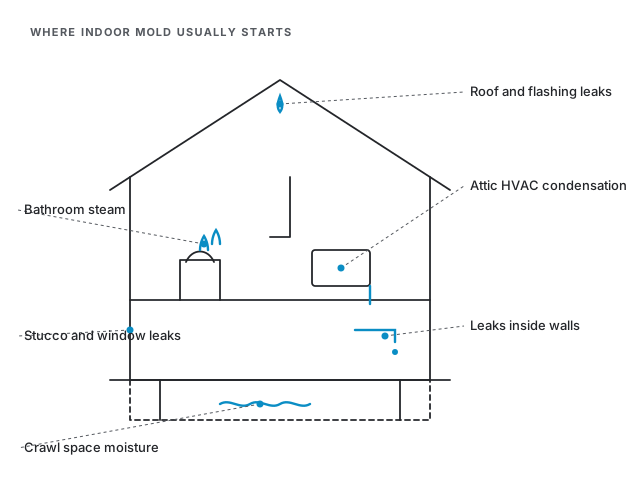
Los Angeles is dry for most of the year, and that makes people assume mold isn't a local problem. In practice, most of the mold we're called about comes from water that got in and was never fully dried.
- Winter storms. Heavy rain finds weak spots in flat roofs, flashing, stucco and older windows.
- Plumbing leaks. Slow drips inside walls and under sinks are the most common indoor cause.
- Coastal humidity. The marine layer keeps closets and exterior walls damp near the ocean.
- Raised foundations. Older homes with crawl spaces trap moisture under the floor.
- Attic HVAC. Condensate lines and uninsulated ducts sweat when the AC runs hard inland.
What mold remediation looks like on site
Proper remediation is mostly about controlling where air and dust go while damaged material comes out.
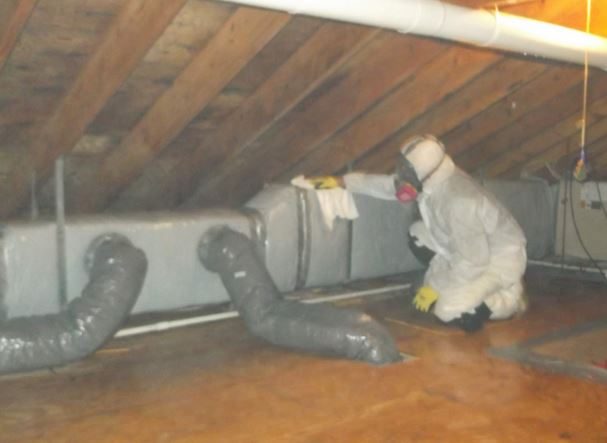
Read what to expect during mold remediation before the work starts.
What mold remediation costs depends on what's behind the wall
No honest company can price a mold job from a photo. The size of the affected area matters, but so do where it is (an open garage wall versus an attic or crawl space), which materials are affected, how much containment the job needs and whether the moisture source needs repair.
We explain every line after the inspection, so you know exactly what you're paying for.
Areas we serve
Los Angeles and nearby cities, from the coast to the valleys. Each area page covers the buildings and moisture problems we see there. See the full service area list.
Questions people ask before calling about mold
How do I know if I need mold remediation or just cleaning?
If the growth is small, on a hard surface and the cause is obvious and fixed, cleaning is often enough. The EPA's general guidance is that areas larger than roughly 10 square feet, mold inside walls or ducts, or mold after sewage or repeated leaks call for professional help. Our mold inspection page explains how we tell the difference.
What does mold remediation involve?
Finding and stopping the moisture source, sealing off the affected area, removing damaged porous materials, HEPA-vacuuming and cleaning what can be saved, drying, and verifying the area before rebuild. The full sequence is on our mold remediation page.
Do I need mold testing?
Not always. When mold is visible and the source is known, testing rarely changes the plan. It is useful when you smell mold but can't see it, after remediation to confirm the area is clear, or when a landlord, buyer or doctor asks for documentation. See mold testing.
Can I stay in my home during remediation?
Often, yes. The work area is sealed with plastic sheeting and kept under negative air pressure so spores don't drift into the rest of the house. For large jobs or people with health concerns, we'll talk through whether staying elsewhere makes sense.
When can I call?
Any time. The phone is answered 24 hours a day, 7 days a week.
Talk to a specialist
Call now about the mold you're seeing
Tell us what you're seeing, smelling or worried about. We'll ask a few questions, explain what it likely means, and arrange an inspection and a written scope.
(424) 479-7915Phone answered 24 hours a day, 7 days a week
Call now, 24/7- We find and fix the moisture source, not just the stain
- Containment and HEPA filtration to keep spores out of clean rooms
- Homes and commercial properties across Los Angeles