
Finding the source
Moisture readings, a look inside cabinets and behind furniture, and a check of the neighboring walls where plumbing runs.
How a mold inspection worksSanta Monica, California
Close to the ocean, damp air settles into closets, bathrooms and the outside walls of older apartments. We find where the moisture is coming from, contain the affected rooms and remove the growth properly.
Phone answered 24 hours a day. Talk to a remediation specialist now.
Santa Monica sits right on the coast, and for much of the year the marine layer rolls in overnight and hangs around into the morning. The air is cooler and damper than it is a few miles inland. That by itself doesn't cause mold, but it means surfaces stay wet longer when something else goes wrong.
A lot of the housing is older apartment buildings and condos, many with shared walls, closets tucked against exterior walls and small bathrooms with weak exhaust fans. Those are the rooms where we most often find growth: behind a dresser pushed against a cold wall, along the back of a closet full of clothes, and around the tub where steam has nowhere to go.
Salt air adds its own wear. Older window frames, sliding door tracks and metal flashing corrode over time, and a small gap in any of them lets winter rain into the wall.
Places worth checking in a Santa Monica unit:
Coastal units tend to need a clear diagnosis first, because damp air and hidden leaks can look identical on the surface.
Moisture readings, a look inside cabinets and behind furniture, and a check of the neighboring walls where plumbing runs.
How a mold inspection worksGrout, caulk and ceiling paint that keep spotting after cleaning usually point to growth behind the surface or a fan problem.
Shower and bathroom mold removalA failed supply line or drain in the unit upstairs can soak a ceiling and wall cavity before anyone notices a stain.
Mold after a leakWhen several units report the same problem, owners and managers need a building-wide plan instead of one-off visits.
Multi-unit and rental property workA closet wall that is cooler than the room will collect moisture from humid air, especially when it's packed tight and never opened. You'll often see light, even spotting across a wide area, and a musty smell on stored shoes and bags.
A leak looks different. Growth is concentrated, the drywall may feel soft, and moisture readings climb sharply toward one spot. In a building with shared walls, that spot can sit in the unit next door.
The EPA's general guidance is that controlling moisture is the key to controlling mold, and that small patches of roughly 10 square feet or less can often be cleaned by an occupant. Larger areas, repeat growth or anything inside the wall is a job for a professional crew with containment and HEPA filtration. Our notes on marine layer humidity cover the everyday habits that help between visits.
Seeing or smelling mold? Call and describe what you're dealing with. We'll tell you what it likely means and arrange an inspection. Phone answered 24/7.
Santa Monica specifics
Many Santa Monica calls involve a rental. The tenant sees the mold, the owner or manager authorizes the work, and both want to know what was found. We explain the findings in plain terms and keep everyone on the same schedule. For questions about rights and responsibilities, talk to the city's housing resources or an attorney.
When moisture travels through a shared wall, the fix may require access to a neighboring unit. Arranging that early saves a second visit.
Street parking near the beach can be tight. If your building has a garage, loading area or alley access, tell us when you call so equipment can come in without a long carry.
Condo associations and managed buildings often set work hours and ask for elevator protection. Send us the rules and we'll plan the setup around them.
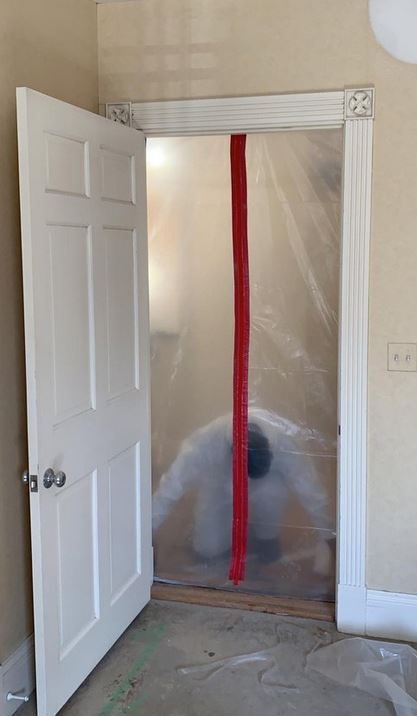
Most apartments stay lived-in during a job. Containment keeps the work area sealed so the rest of the home can be used.
We check the affected rooms, take moisture readings and look at shared walls, windows and plumbing to locate the source.
A written scope goes to whoever is authorizing the work, whether that's the owner, the manager or the HOA.
The area is sealed with plastic and placed under negative air, then damaged materials come out and surfaces are HEPA vacuumed and cleaned.
We verify the materials are dry and, if you want independent confirmation, arrange clearance testing before rebuild.
Just inland, mold remediation in Beverly Hills tends to involve larger single-family homes and more complex HVAC systems. You can see the full list of cities on our service areas page.
Sometimes, but not always. Cool outside walls and damp coastal air can produce condensation behind stored clothes, yet the same spotting can come from a slow leak in the wall or a neighbor's plumbing. A moisture check tells the two apart, which matters because the fix is different.
Anyone can call us to talk it through, but in a rental the owner or property manager usually arranges and approves the work. Let them know in writing what you are seeing, and we can explain the findings to both sides once we have looked at the unit.
It helps in closets and bedrooms that stay damp, but it won't fix a leak or a bathroom fan that doesn't vent outside. Remove the growth, correct the moisture source, then use a dehumidifier to keep indoor humidity down during foggy stretches.
Talk to a specialist
Tell us what you're seeing, smelling or worried about. We'll ask a few questions, explain what it likely means, and arrange an inspection and a written scope.
(424) 479-7915Phone answered 24 hours a day, 7 days a week
Call now, 24/7