
AC and duct problems
Growth on coils, in drain pans and inside duct runs can spread musty odor through the whole house when the system turns on.
HVAC mold removalGlendale, California
Glendale's summer heat keeps air conditioners running for months, and the water they produce has to go somewhere. We trace mold back to condensate lines, ducts, stucco walls and shared plumbing, then remove it under containment.
Phone answered 24 hours a day. Talk to a remediation specialist now.
Glendale combines hillside neighborhoods of single-family homes with dense blocks of apartment and condo buildings closer to the flats. The mold problems we see in each are different, but they share one thing: an inland valley climate with hot summers, where air conditioning runs hard for much of the year.
In a house, that usually means an air handler and ductwork in the attic, where heat is intense and any condensation or drain overflow lands on insulation and drywall. In an apartment building, the issues are more often stacked plumbing, shared walls and units where a small leak goes unreported for a long time.
Places we find mold in Glendale homes and buildings:
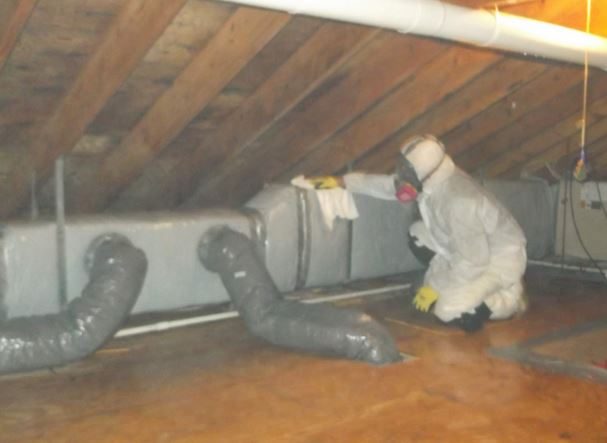
Air conditioning and multi-unit buildings drive a big share of the calls from this part of the valley.
Growth on coils, in drain pans and inside duct runs can spread musty odor through the whole house when the system turns on.
HVAC mold removalCondensate overflow, roof leaks and poor ventilation all show up on sheathing and insulation above the ceiling.
Removing attic moldCoordinated work across several units, with notice to occupants and one plan for the owner or association.
Remediation for multi-unit buildingsSampling can help when there's an odor but no visible growth, and after work to confirm the area is clean.
Air and surface testingEvery air conditioner makes water. On a hot Glendale afternoon, a system can move a surprising amount of it through a thin plastic line to a drain or the outside. Algae and debris build up in that line over a season, and when it blocks, water backs up into the pan and over the edge.
If the air handler is in the attic, the overflow soaks insulation and the top of the ceiling drywall. The first sign below is often a faint brown ring on the ceiling or a musty smell when the AC runs. Many systems have a float switch meant to shut the unit off when the pan fills, but older installations may not, and switches can fail.
Before the cooling season, it's worth having the line flushed and the pan checked. Once there's growth, the wet materials need to come out and the system should be inspected before it's switched back on.
Seeing or smelling mold? Call and describe what you're dealing with. We'll tell you what it likely means and arrange an inspection. Phone answered 24/7.
Glendale specifics
Many Glendale homes are finished in stucco. It's durable, but hairline cracks and gaps around window frames let wind-driven rain in during winter storms, and the wall can stay wet inside for a long time because stucco dries slowly.
Steep driveways and narrow streets can limit where a work vehicle can park. Tell us about access when you call, and whether equipment has to be carried up stairs.
In an apartment building we work with the owner, manager or HOA on notices to residents, access to neighboring units and when common hallways can be used for equipment.
Occupants usually want to know how long a unit will be affected and whether they can stay. We explain which rooms are sealed off and how containment keeps the rest of the home usable.
We check the stained areas and the attic, air handler and duct runs that serve them, or the units above and beside in a building.
A written scope names what comes out, how the area will be sealed and which repairs someone else needs to make first.
Containment, HEPA filtration and careful removal of damaged insulation, drywall or duct sections.
Materials are checked dry and the system is inspected before it goes back into service.
East of Glendale, Pasadena mold removal is more often about crawl spaces under older homes. To the west, mold remediation in Burbank tends to involve ranch houses and flat roofs. Every city we serve is on our service area list.
Yes. An AC pulls water out of the air, and that water drains through a pan and a condensate line. If the line clogs or the pan cracks, the overflow can soak attic insulation, ceiling drywall or a closet wall, often out of sight for weeks.
It's possible. Stucco can crack slightly around windows and at the base of walls, letting rain in during storms while the outside looks normal. Inside, you might notice a musty smell, peeling paint or baseboards that feel damp. Moisture readings tell us whether to open the wall.
Start with the unit where it's worst and the plumbing or roof above it. Stacked bathrooms and kitchens often share a leak path. We can inspect several units in one visit and give the owner or HOA one plan for the building.
Talk to a specialist
Tell us what you're seeing, smelling or worried about. We'll ask a few questions, explain what it likely means, and arrange an inspection and a written scope.
(424) 479-7915Phone answered 24 hours a day, 7 days a week
Call now, 24/7