
Under the house
Joists, subfloor and old insulation in the crawl space, usually fed by a plumbing leak or poor drainage around the foundation.
Crawl space mold removalPasadena, California
Pasadena's older homes sit on raised foundations with crawl spaces and plumbing that has been patched for decades. We remove mold at the source and keep as much original material in place as the situation allows.
Phone answered 24 hours a day. Talk to a remediation specialist now.
Pasadena is known for its Craftsman heritage: bungalows with deep porches, exposed rafters and lots of original wood inside, along with Spanish revival and other period houses. Many were built on raised foundations with a crawl space underneath, and much of their plumbing has been repaired piece by piece over the years.
The climate here is inland. Summers are hotter and drier than on the coast, so general humidity is rarely the culprit. Mold in Pasadena usually traces back to a particular water source, and in an older house there are plenty of candidates.
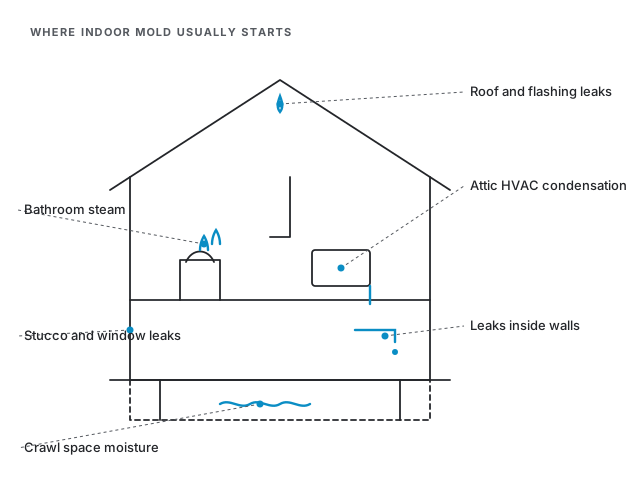
In a raised-foundation house, the answer is often below your feet or above the ceiling.
Joists, subfloor and old insulation in the crawl space, usually fed by a plumbing leak or poor drainage around the foundation.
Crawl space mold removalA musty smell with no visible growth calls for moisture readings, a look under the floor and a check of the attic before any demolition.
What an inspection coversWet plaster, flooring and wall cavities need to be dried or removed before growth takes hold.
Leak-related mold cleanupAging roofs over period homes can let water onto sheathing and rafters for a whole season before a stain shows below.
Mold in the atticOwners of historic homes often worry that remediation means ripping out the features they bought the house for. It doesn't have to. Solid old-growth wood trim, doors and built-in cabinets can usually be HEPA vacuumed and cleaned if they're dry and the growth is on the surface. Plaster walls are harder to judge and depend on how wet they got and for how long.
Some things can't be saved. Soaked drywall added in later remodels, insulation, carpet and cardboard-backed materials normally come out, because cleaning them doesn't reliably remove growth.
We'll go through the house with you and mark what stays, what gets cleaned and what gets replaced, so the decisions are yours before the crew starts.
Seeing or smelling mold? Call and describe what you're dealing with. We'll tell you what it likely means and arrange an inspection. Phone answered 24/7.
Pasadena specifics
Pasadena sits below the San Gabriel Mountains. Most of the year that means little, but during heavy winter storms runoff comes down from the higher ground and can pool against foundations, fill crawl spaces and overwhelm old gutters and downspouts.
After a wet winter, it's worth opening the crawl space hatch and looking for standing water, damp soil or a musty smell. The EPA advises drying wet materials quickly, ideally within 24 to 48 hours, to limit mold growth.
Hatches in older homes can be small or hidden in a closet. Let us know where yours is, and whether anything is stored in front of it.
Bungalow lots often have narrow driveways. Equipment like air scrubbers and hoses may need to come through the front door, which we protect first.
Crawl space work usually happens from below, so most families stay home while it's underway.
We check the living space, the attic and the crawl space, because in an older home the source is often a floor away from the stain.
The scope lists what will be removed, what will be cleaned in place and who needs to repair the plumbing, drainage or roof.
The work zone is sealed and put under negative air, then affected materials are removed or cleaned and HEPA vacuumed.
We confirm the framing and subfloor are dry and walk through the results with you.
Next door, our Glendale mold remediation page covers a mix of hillside houses and apartment buildings. The rest of the region is listed on the service areas page.
Rarely. Most crawl space growth is on the underside of the subfloor and the joists, and it can be treated from below once the moisture source is fixed. Flooring is only removed when it's damaged or the growth has moved up into it.
Often, yes. Solid wood that is dry and only has surface growth can usually be cleaned rather than replaced. Porous materials such as soaked drywall or insulation normally have to go. We explain the options for each piece before anything is removed.
Hot, dry weather doesn't stop a leaking pipe, a blocked crawl space vent or winter storm water that never drained away. Inland mold is usually about a specific water source rather than the climate.
Talk to a specialist
Tell us what you're seeing, smelling or worried about. We'll ask a few questions, explain what it likely means, and arrange an inspection and a written scope.
(424) 479-7915Phone answered 24 hours a day, 7 days a week
Call now, 24/7